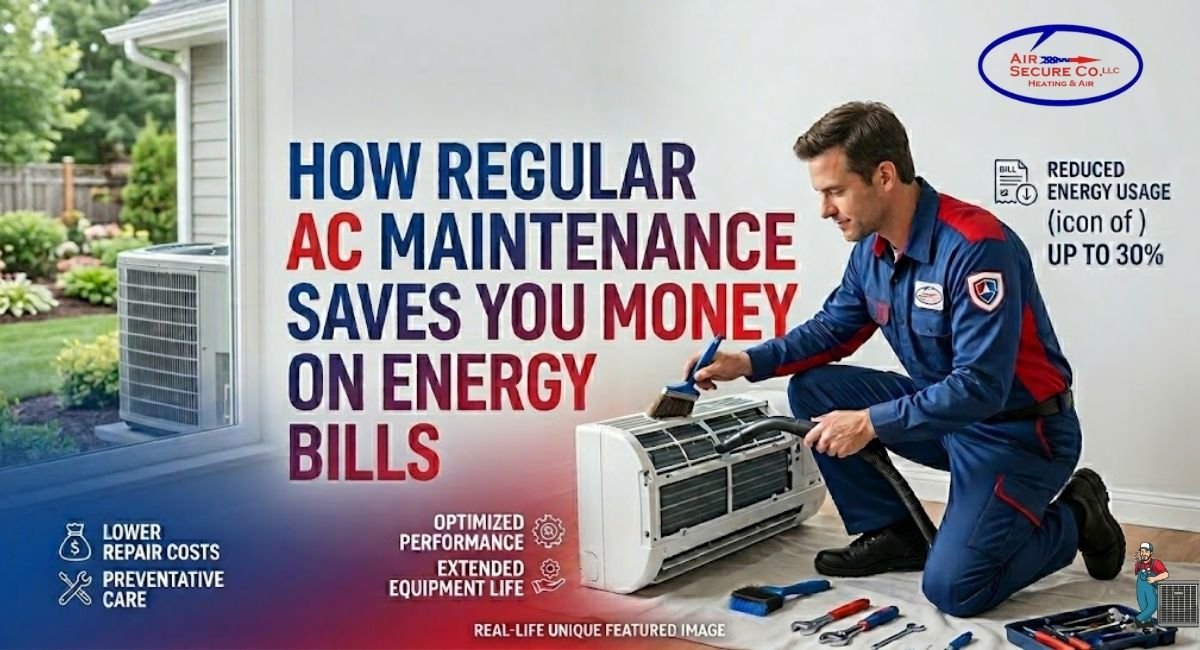
Most homeowners notice higher electricity bills before they notice a real problem with their air conditioner. The system may still cool the home, but it often starts using more energy to do the same work. That is why AC maintenance savings matter so much, because efficiency loss usually happens gradually rather than all at once.
When an air conditioner is properly maintained, it does not need to work as hard to keep your home comfortable. Clean components, balanced airflow, and properly functioning parts all help the system run more efficiently. Over time, that reduced strain can make a noticeable difference in monthly energy costs, especially during hot summer months when the unit runs more often.
Homeowners often rely on professional support such as HVAC maintenance tune-up or local help like 24/7 Air Conditioning and Heating Services Chapel Hill NC to keep their systems running efficiently and avoid unnecessary energy waste.
Why AC systems start using more electricity over time
An air conditioner does not usually become inefficient overnight. Instead, energy usage tends to rise slowly as dust, wear, and minor mechanical issues build up inside the system. Even when cooling still feels acceptable, the unit may already be working harder than it should.
Common causes of higher electricity use include dirty coils, clogged filters, low refrigerant levels, worn electrical parts, and airflow restrictions. Each of these issues forces the system to run longer cycles or push harder to reach the thermostat setting. That extra runtime translates directly into higher energy bills.
This is why many homeowners who read about the top common air conditioner problems realize that a lot of cooling issues are also efficiency issues.
What AC maintenance savings really means
AC maintenance savings refers to the money saved through better energy efficiency, fewer breakdowns, and less unnecessary strain on the system. It is not just about fixing one issue when something goes wrong. It is about keeping the system in a healthy condition so it performs properly throughout the season.
A well-maintained system usually:
- Cools faster and reaches the desired temperature more efficiently.
- Runs shorter and more balanced cooling cycles.
- Uses less electricity during normal operation.
- Experiences fewer repair-related interruptions.
These improvements may seem small on their own, but together they can reduce monthly cooling costs in a meaningful way over time.
How maintenance lowers energy use
The connection between maintenance and energy savings is simple: when the system is clean and balanced, it does not need to overwork. That means less strain on the compressor, smoother airflow, and more efficient heat transfer.
Clean filters help air move freely through the system. Clean coils allow heat to be released properly. Correct refrigerant levels help the system cool without extra effort. When all of these parts are working as they should, the AC reaches the target temperature faster and uses less energy doing it.
System condition and energy impact
| Condition of AC system | Cooling performance | Energy usage |
| Well maintained | Fast and stable | Low |
| Moderately maintained | Slightly slower cooling | Medium |
| Poorly maintained | Slow and uneven cooling | High |
Hidden reasons your electricity bill keeps rising
Some of the biggest energy losses are not obvious during everyday use. Your AC may still blow cool air, but hidden inefficiencies can slowly drive up electricity consumption behind the scenes.
Dirty coils, weak airflow, leaking ducts, thermostat issues, and failing components can all increase runtime. When the system runs longer to do the same job, energy use rises even if the comfort level in the home seems mostly unchanged. In many cases, these small issues are what create the biggest long-term cost.
Problems like these are often connected to symptoms explained in guides such as why your AC is blowing hot air and how to fix it.
Why air filters matter so much
Air filters are one of the simplest parts of AC maintenance, but they have a major effect on efficiency. When a filter becomes clogged, airflow is restricted and the system has to work harder to pull air through the unit.
That restriction increases cooling time, which also increases electricity use. A clean filter helps air circulate properly, supports better temperature control, and reduces unnecessary strain on the system. Replacing filters regularly is one of the easiest ways to support AC maintenance savings without requiring major effort or cost.
Maintenance vs repair
A repair-focused approach usually means waiting until something breaks or performance becomes noticeably poor. Maintenance takes the opposite approach by preventing problems before they grow. That difference has a direct effect on energy use.
Systems that are only repaired after issues appear often spend longer periods running inefficiently. By contrast, maintained systems are more likely to stay balanced, stable, and energy-efficient throughout the year. In the long run, preventive care usually costs less than repeated emergency fixes and higher utility bills.
Common issues and energy impact
| Issue | Effect on system | Energy impact |
| Dirty filter | Restricted airflow | Higher usage |
| Low refrigerant | Longer cooling cycles | Increased cost |
| Coil buildup | Poor heat transfer | Reduced efficiency |
Installation quality also matters
Energy savings are not determined by maintenance alone. A system that was installed incorrectly may still waste energy even if it receives regular service. Poor sizing, faulty setup, or improper airflow design can all cause the AC to cycle too often or run longer than necessary.
That is why installation quality plays such an important role in long-term performance. Homeowners often explore options like Air Conditioning and Heating Apex NC when they want reliable service that supports better efficiency from the start.
Small issues that become bigger costs
Many AC problems begin as minor performance changes. Slightly weaker airflow, uneven cooling, longer run times, or unusual noise can all be early signs that the system is losing efficiency. If these issues are ignored, they often lead to larger energy losses and more expensive repairs later.
Addressing problems early helps prevent unnecessary wear and keeps the system operating more smoothly. Even simple maintenance steps can make a noticeable difference when they are done consistently.
Why professional tune-ups help
Professional AC maintenance goes beyond surface-level cleaning. A technician checks airflow, refrigerant levels, electrical components, coils, and overall system performance to make sure everything is working as it should. This kind of service helps catch inefficiencies before they turn into expensive problems.
Many homeowners schedule regular care through HVAC maintenance tune-up service to keep their systems efficient, reduce strain, and lower the risk of higher energy bills.
Maximizing Your AC’s Efficiency and Savings
AC maintenance is one of the most effective ways to reduce cooling costs and improve comfort at the same time. A clean, balanced, well-maintained system uses less energy, runs more efficiently, and is less likely to break down unexpectedly. Over time, that leads to real AC maintenance savings and fewer surprise expenses.
For long-term performance and dependable service, Air Secure Inc offers professional HVAC maintenance solutions designed to keep systems efficient and energy bills under control year-round.