Table of Contents
- Why Indoor Air Quality Matters for Your Home
- Step 1: Assess Your Current Indoor Air Quality
- Step 2: Replace and Upgrade Your HVAC Air Filter
- Do Air Filters Help Allergies? What the Evidence Shows
- Step 3: Improve Home Ventilation and Indoor Air Quality
- Step 4: Install a Whole-Home Air Quality System
- Step 5: Control Humidity and Remove Pollutants
- Step 6: Schedule Professional HVAC Maintenance
- Frequently Asked Questions
Last Updated: October 21, 2026
Why Indoor Air Quality Matters for Your Home
Indoor air quality directly affects your health, comfort, and energy costs. The air inside your home can be two to five times more polluted than outdoor air, according to EPA guidance on indoor air quality. Dust, pet dander, mold spores, and chemical pollutants accumulate in poorly ventilated spaces. Families in Cary dealing with allergies, asthma, or respiratory concerns often find that how to improve indoor air quality becomes a priority when symptoms worsen indoors.
At Air Secure Co, we help homeowners throughout Wake County address these issues through professional HVAC solutions. Poor indoor air quality doesn’t just affect comfort, it impacts sleep quality, productivity, and long-term health. The good news is that improving indoor air quality is achievable through a combination of practical steps and professional maintenance.
This guide walks you through seven actionable steps to improve indoor air quality in your home. Whether you’re dealing with allergies, stale air, or simply want a healthier living environment, these strategies deliver real results.
Step 1: Assess Your Current Indoor Air Quality
Before you can improve indoor air quality, you need to understand what you’re working with. Start by identifying visible and invisible pollutants in your home.
Check for visible signs:
- Dust buildup on surfaces and vents
- Musty or stale odors
- Visible mold or discoloration around windows
- Pet odors that linger despite cleaning
- Condensation on windows (sign of excess humidity)
Notice how you feel indoors:
- Do you sneeze or cough more inside than outside?
- Do your eyes, nose, or throat feel irritated?
- Do symptoms improve when you step outside?
- Do you feel more tired or sluggish indoors?
For a deeper assessment, you can purchase an indoor air quality monitor that measures particulate matter, carbon dioxide, and humidity levels. These devices provide specific data about what’s in your air. Many homeowners in Cary find that this data helps them prioritize which improvements to tackle first.
Air Secure Co offers professional indoor air quality assessments. Our team identifies specific pollutants and recommends targeted solutions based on your home’s unique needs.
Step 2: Replace and Upgrade Your HVAC Air Filter
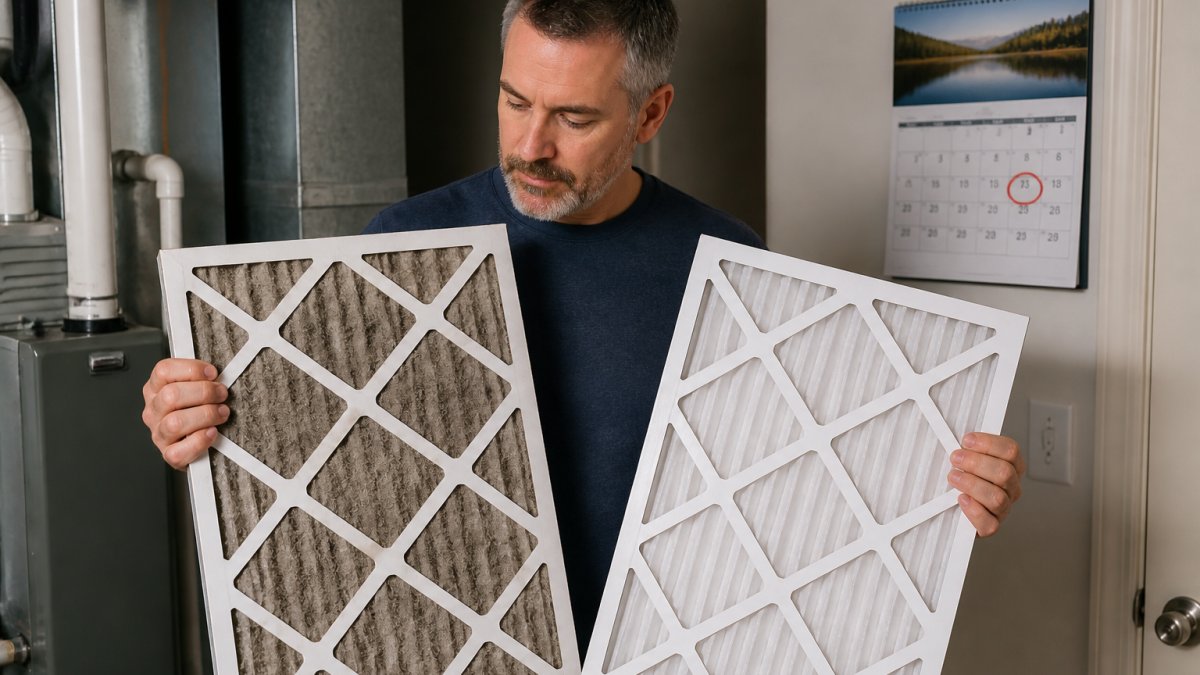
Your HVAC system’s air filter is your first line of defense against indoor air pollution. A dirty filter reduces airflow, forces your system to work harder, and allows pollutants to circulate through your home.
When to replace your filter:
- Every 1-3 months for standard filters (check monthly)
- Every 6-12 months for premium HVAC air filter replacement options
- More frequently if you have pets, allergies, or construction nearby
- Immediately if you notice reduced airflow or dusty vents
How to replace your filter:
- Turn off your HVAC system
- Locate your filter (usually in a return air duct or blower compartment)
- Note the filter size printed on the frame
- Slide out the old filter
- Insert the new filter with the arrow pointing toward the furnace
- Turn your system back on
Filter types and their benefits:
- Standard fiberglass filters (MERV 4-7): Budget option, basic protection
- Pleated filters (MERV 8-13): Better filtration, captures more dust and pollen
- High-efficiency filters (MERV 14-16): Removes smaller particles, best for allergies
- HEPA filters (MERV 17+): Medical-grade filtration, removes 99.97% of particles
Upgrading to a pleated or high-efficiency filter makes a noticeable difference in how to improve indoor air quality, especially for households with allergies or pets. Higher MERV ratings mean better filtration, though they also restrict airflow slightly, your system must be properly sized to handle them.
Check your filter monthly by holding it up to light. If you can’t see light through it, replace it immediately. A clogged filter reduces efficiency and circulates stale air.
Do Air Filters Help Allergies? What the Evidence Shows
Many homeowners ask whether upgrading their HVAC air filter replacement approach actually reduces allergy symptoms. The answer depends on the filter quality and your specific allergens.
What air filters can do:
- Capture dust, pollen, pet dander, and mold spores
- Reduce particles circulating through your home
- Help maintain cleaner ductwork and system components
What air filters cannot do:
- Remove gaseous pollutants like odors or volatile organic compounds
- Eliminate allergens already settled on surfaces
- Solve humidity-related mold growth
- Filter air outside your HVAC system’s reach
For families managing allergies in Cary, upgrading to a MERV 13 pleated filter or higher combined with regular HVAC maintenance can help reduce symptoms. The improvement comes from fewer particles recirculating through your living spaces. However, a filter alone won’t solve allergy problems if your home also has high humidity, poor ventilation, or settled dust.
Combining a quality air filter with professional HVAC maintenance and improved ventilation can produce good results for allergy sufferers. Air Secure Co recommends a comprehensive approach rather than relying on filtration alone.
Step 3: Improve Home Ventilation and Indoor Air Quality
Stale, recirculated air is a major cause of poor indoor air quality. Modern homes are built tight for energy efficiency, which means they trap pollutants inside. Fresh outdoor air is essential to dilute indoor pollutants and improve indoor air quality.
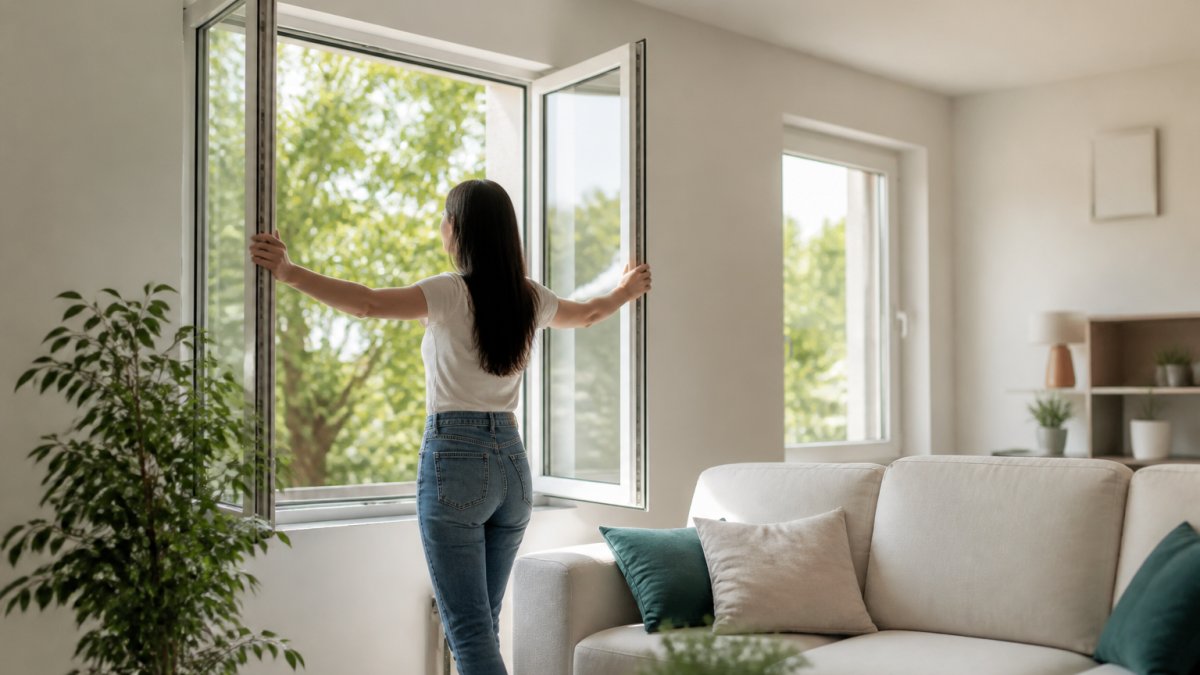
Simple ventilation improvements:
- Open windows for 10-15 minutes daily when weather permits
- Use exhaust fans in bathrooms and kitchens during and after showers or cooking
- Install window screens to allow air exchange while keeping out insects
- Keep supply and return vents clear of furniture and obstructions
For homes with poor natural ventilation:
- Install a heat recovery ventilator (HRV) or energy recovery ventilator (ERV)
- These systems bring fresh outdoor air while recovering heating or cooling energy
- They improve indoor air quality without significantly increasing utility costs
Ductwork considerations:
- Leaky ducts allow conditioned air to escape and unconditioned air to enter
- Professional duct sealing improves both efficiency and air quality
- Regular ductwork inspection identifies problems before they worsen
Proper home ventilation and indoor air quality work together. Without fresh air exchange, even the best filters can’t prevent stale, polluted conditions. Families in Wake County benefit from consulting professionals like Air Secure Co to evaluate their home’s ventilation needs and recommend solutions tailored to their climate and home design.
Step 4: Install a Whole-Home Air Quality System
For comprehensive protection, a whole-home air quality system works alongside your existing HVAC setup. These systems provide multiple layers of filtration and purification.
Types of whole-home air quality systems:
- Media air cleaners: High-capacity filters that capture more particles than standard filters
- UV germicidal lights: Kill bacteria, viruses, and mold spores in your ductwork
- Ionizers: Release charged particles that attract and neutralize pollutants
- Photocatalytic oxidation: Uses UV light and a catalyst to break down contaminants
How they integrate with your HVAC:
- Install directly into your existing ductwork
- Work continuously as your system runs
- Require professional installation for optimal performance
- Improve indoor air quality throughout your entire home
A whole-home system is particularly valuable for homeowners in Cary with multiple allergies, pets, or respiratory concerns. Unlike portable air purifiers that only clean one room, a whole-home system protects every space your HVAC serves.
Air Secure Co installs and maintains whole-home air quality systems that integrate with your existing equipment. Our team helps you select the right technology based on your specific air quality challenges.
Whole-home air quality systems provide continuous protection, but they work best when combined with proper filtration, ventilation, and humidity control.
Step 5: Control Humidity and Remove Pollutants
Humidity levels directly affect indoor air quality. Too much moisture promotes mold and dust mites. Too little causes dry skin and respiratory irritation. The ideal range is 30-50% humidity.
Reduce excess humidity:
- Use exhaust fans in bathrooms and kitchens
- Fix leaks and water damage immediately
- Run a dehumidifier in damp areas like basements
- Ensure proper drainage around your home’s foundation
- Install a whole-home dehumidifier if your area is naturally humid
Increase humidity when air is too dry:
- Use a humidifier during winter months
- Add indoor plants (they release moisture naturally)
- Hang wet towels in dry rooms temporarily
- Run a whole-home humidifier integrated with your HVAC system
Remove specific pollutants:
- Eliminate sources: stop smoking indoors, reduce chemical cleaners, minimize air fresheners
- Ventilate when cooking or using products with strong odors
- Use activated carbon filters for gaseous pollutants
- Vacuum regularly with HEPA-filter vacuums to prevent dust resettlement
Humidity control is often overlooked but critical for how to improve indoor air quality. High humidity enables mold growth and dust mite proliferation, while low humidity irritates airways. Professional HVAC systems can monitor and adjust humidity automatically.
Step 6: Schedule Professional HVAC Maintenance
Regular professional maintenance is the foundation of lasting indoor air quality improvements. A well-maintained HVAC system operates efficiently and keeps your air clean.
What professional maintenance includes:
- System inspection for leaks, corrosion, or damage
- Coil cleaning to remove mold and buildup
- Refrigerant level checks (if applicable)
- Airflow testing and ductwork evaluation
- Filter replacement and system optimization
Recommended maintenance schedule:
- Spring: Before cooling season begins
- Fall: Before heating season begins
- Emergency service: Available 24/7 for heating failures in winter
Benefits of professional maintenance:
- Extends system lifespan
- Reduces energy costs through optimization
- Prevents costly emergency repairs
- Improves indoor air quality and system performance
- Maintains warranty coverage
Many homeowners in Wake County delay maintenance until something breaks. By then, system inefficiency has already wasted money and allowed air quality to deteriorate. Regular maintenance catches problems early and keeps your system running at peak performance.
Air Secure Co provides comprehensive HVAC maintenance plans tailored to your system and needs. Our licensed technicians have served Wake County since 2004, and our 24-hour emergency heating services ensure you’re never without heat when you need it most.
Skipping maintenance leads to reduced efficiency, higher utility bills, and declining indoor air quality. A clogged coil or dirty blower wheel can reduce airflow by 30% or more, forcing your system to work harder while delivering worse results.
Improving indoor air quality requires attention to multiple factors: filtration, ventilation, humidity, and professional maintenance. These seven steps work together to create a healthier home environment. For homeowners in Cary and throughout Wake County, Air Secure Co offers expert guidance and professional installation of air quality solutions. Our team can assess your current conditions, recommend the right improvements for your home, and handle the installation and maintenance. Get a quote today to start breathing easier.
| Step | Focus Area | Key Action | Impact |
|---|---|---|---|
| 1 | Assessment | Identify visible and invisible pollutants | Understand your starting point |
| 2 | Filtration | Replace or upgrade HVAC air filters | Capture dust, pollen, and particles |
| 3 | Ventilation | Increase fresh air exchange | Dilute indoor pollutants |
| 4 | Whole-home system | Install professional air quality equipment | Continuous multi-layer protection |
| 5 | Humidity | Control moisture levels | Prevent mold and dust mites |
| 6 | Maintenance | Schedule professional HVAC service | Optimize system performance |
Frequently Asked Questions
How often should I change my HVAC air filter to improve indoor air quality?
Most standard filters need replacement every 1-3 months, depending on usage and household factors. Homes with pets, allergies, or smokers should check filters monthly and replace them more frequently. High-efficiency filters may last longer but require more frequent checks. A professional HVAC inspection can help determine the right replacement schedule for your system and ensure your air quality improves consistently.
Do air filters really help with allergies?
Yes, quality air filters can significantly reduce allergens like pollen, dust mites, and pet dander. HEPA filters and higher MERV-rated filters capture more particles than basic filters. However, filters work best as part of a complete strategy that includes ventilation, humidity control, and regular maintenance. If allergies persist despite filter upgrades, a whole-home air quality system or professional assessment may reveal other sources of indoor pollutants.
What’s the difference between opening windows and using a ventilation system?
Opening windows provides fresh outdoor air but can introduce pollen, dust, and outdoor pollutants, especially in high-traffic areas. A controlled ventilation system filters incoming air, removes stale indoor air, and maintains consistent air circulation without letting outdoor contaminants in unchecked. For homes with allergies or respiratory concerns, mechanical ventilation paired with quality filters offers better protection than windows alone.
When should I consider installing a whole-home air quality system?
Consider a whole-home system if standard filters aren’t reducing allergies or respiratory issues, if you notice persistent odors or dust buildup, or if multiple household members have asthma or allergies. These systems work with your existing HVAC to filter all air circulating through your home. A professional HVAC evaluation can determine whether a whole-home system will provide meaningful improvement for your specific air quality concerns.